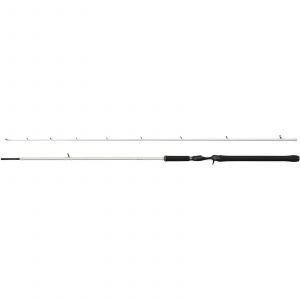
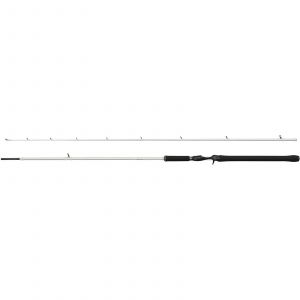
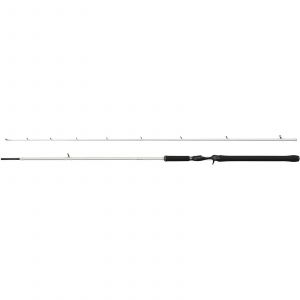
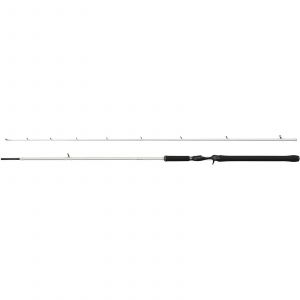
Time for trolling? Buy your gear here! Everything gathered on one page.
Trolling fishing involves dragging the baits behind the boat. A tried and tested method that covers a lot of water and various depths. The range in trolling fishing can be vast. It could be one rod and one bait behind a simple rowboat. Or 10-12 rods fished on downriggers and side planers from a top-equipped trolling boat in the million class. In principle, one can troll fish for all kinds of predatory fish, but primarily it involves salmon, trout, char, pike, and zander.
Dragging a couple of wobblers behind the boat in a smaller lake does not require any special equipment - possibly just a couple of rod holders and a simple fish finder. But if it concerns larger waters, then significantly more equipment is required. Special rods and reels, downriggers, side planers, trolling mast, rod holders, as well as fish finders and plotters are examples of gadgets included in the modern trolling fisherman's arsenal. Does it sound complicated? Ask us! We have the knowledge and the gadgets you need for your trolling fishing.
Here, we’ve marked which reel sizes are suitable for this specific rod. The type of reel to use with a rod depends on whether it’s a spinning, casting, saltwater, or similar rod, so if you’re unsure,feel free to double-check. That the same rod can have multiple reel sizes depends on the fishing style you’re pursuing.
Suitable reel size
Rod length grouped in feet + cm.
Are you a beginner and need guidance?
For regular fishing with a casting rod, you can easily group the lengths like this:
5-6 feet - Children/juniors 6-7 feet - Easy to handle - Perfect for boats. 7-9 feet - Most popular, especially for fishing from shore. 9+ feet - Coastal fishing and river fishing, etc.
Rod length
Refers to how many centimeters long the disassembled rod is. This can be good to know if you’re traveling or packing it into a motorcycle bag.
Rod length when transported
Casting weights simply refer to the weight of the lure a rod is intended for. A rod with a casting weight of, for example, 10-30 grams is optimal for casting lures within that weight range. Exceeding it risks breaking the rod during casting, while using lighter lures makes casting difficult.
Max casting weight
Here, we’ve categorized the products based on which fish you want to hook. We’ve relied on what manufacturers specify, but also on experience of what usually works. The list could almost be endless, and many things work for more species than we’ve listed, so don’t be afraid to experiment.
Trolling Fishing – Effective and Exciting Fishing on the Move
Trolling is a popular fishing method where lures are dragged behind a moving boat to target predatory fish such as salmon, trout, pike, and zander. This technique allows anglers to cover large areas of water, increasing the chances of finding actively feeding fish.
Successful trolling requires specialized equipment, including trolling rods, sturdy reels, and downriggers or paravanes to control lure depth. Choosing the right speed and lure presentation is crucial, as different species respond to varying speeds and depths.
The best trolling spots are often deep lakes, large rivers, or coastal waters where fish hunt in open water. Trolling is especially effective during seasonal fish migrations when predators actively follow baitfish schools.
Whether using artificial lures, wobblers, or live bait rigs, adapting to water temperature, depth, and weather conditions is key. Modern sonar and GPS technology help anglers locate fish and optimize trolling patterns for maximum success.
Trolling is an excellent choice for both beginners and experienced anglers seeking big catches. With the right setup and patience, this method can yield trophy fish and unforgettable fishing experiences.
Sign In
As a member, you get access to unique offers, prices & much more!
Create an Account
Join our membership club to receive extra discounts on fishing gear, advance access to promotions and much more. Completely free of charge!