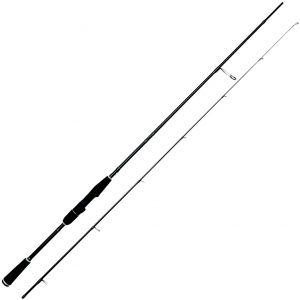
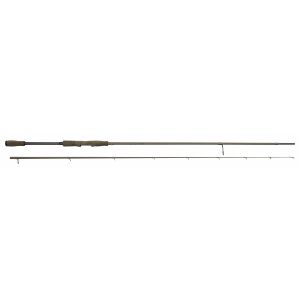
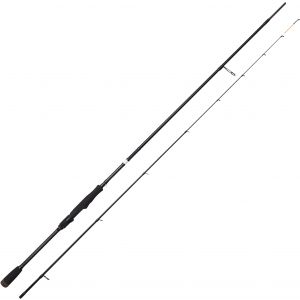
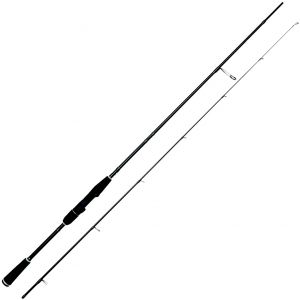
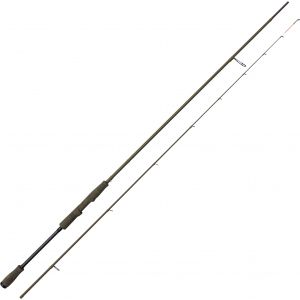
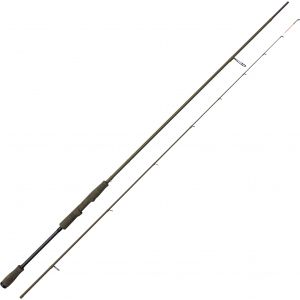
Buy the gear for Down-fishing here. Unsure how to proceed? Watch our video below!
Down-fishing is a type of finesse fishing that can be used in the pursuit of perch and other game fish.
The method primarily relies on a flat or rounded jig head that causes the bait to stand on the bottom with the head downward, "dancing" back and forth a little. This makes the bait resemble a forage fish, worm, larva, or beetle that is feeding.
For crayfish imitations, the Ned head allows the crayfish's claws to rise and appear to be in a defensive position, which often triggers the fish to strike.
The Ned method can be fished back in varying speeds and with small jerks, but usually, the retrieval is done slowly along the bottom.
Here, we’ve marked which reel sizes are suitable for this specific rod. The type of reel to use with a rod depends on whether it’s a spinning, casting, saltwater, or similar rod, so if you’re unsure,feel free to double-check. That the same rod can have multiple reel sizes depends on the fishing style you’re pursuing.
Suitable reel size
Refers to how many centimeters long the disassembled rod is. This can be good to know if you’re traveling or packing it into a motorcycle bag.
Rod length when transported
Casting weights simply refer to the weight of the lure a rod is intended for. A rod with a casting weight of, for example, 10-30 grams is optimal for casting lures within that weight range. Exceeding it risks breaking the rod during casting, while using lighter lures makes casting difficult.
Max casting weight
Here, we’ve categorized the products based on which fish you want to hook. We’ve relied on what manufacturers specify, but also on experience of what usually works. The list could almost be endless, and many things work for more species than we’ve listed, so don’t be afraid to experiment.