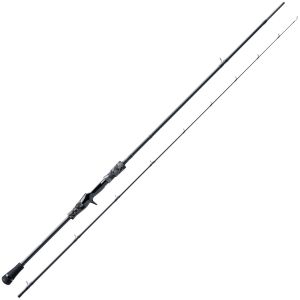
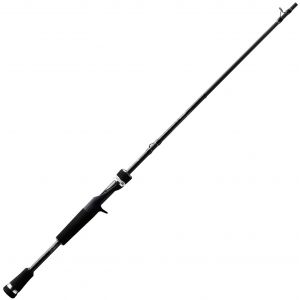
Jig fishing is an extremely versatile and effective fishing method for perch, zander, and pike.
When fishing for perch or zander with a jig, you need a light, resilient rod that can cast far with light lures. At the same time, you should feel the slightest nibble and be able to hook quickly. Jig rods are developed and optimized for jig fishing primarily for perch but can obviously be used for all lighter spin fishing. Jig rods are usually 7-8 feet long and are available for both spinning and baitcasting reels. If it's about jig fishing for pike, a normal pike rod usually works perfectly.
Here, we’ve marked which reel sizes are suitable for this specific rod. The type of reel to use with a rod depends on whether it’s a spinning, casting, saltwater, or similar rod, so if you’re unsure,feel free to double-check. That the same rod can have multiple reel sizes depends on the fishing style you’re pursuing.
Suitable reel size
Rod length grouped in feet + cm.
Are you a beginner and need guidance?
For regular fishing with a casting rod, you can easily group the lengths like this:
5-6 feet - Children/juniors 6-7 feet - Easy to handle - Perfect for boats. 7-9 feet - Most popular, especially for fishing from shore. 9+ feet - Coastal fishing and river fishing, etc.
Rod length
Refers to how many centimeters long the disassembled rod is. This can be good to know if you’re traveling or packing it into a motorcycle bag.
Rod length when transported
Here, we’ve categorized the products based on which fish you want to hook. We’ve relied on what manufacturers specify, but also on experience of what usually works. The list could almost be endless, and many things work for more species than we’ve listed, so don’t be afraid to experiment.
Jig fishing is one of the most common methods for catching perch and pike-perch. There are many specialized jigging techniques, but the most popular approach involves fishing with a rubber lure, or jig, rigged with a jig hook near the bottom. Since the jig hook points upwards, it allows for fishing close to the bottom without getting snagged.
Jig fishing is highly effective when fish are bottom-oriented and not very active. In such situations, a slowly retrieved jig presented near the bottom can be the key to triggering bites.
Equipment for Jig Fishing
Jig rods typically have a tip action with a sensitive tip and a strong backbone, allowing the angler to feel subtle bites while still having the strength to hook large perch and pike-perch. Jig rods come in both spinning and baitcasting models and are often around 7 feet long for optimal control and casting distance.
When it comes to reels, a spinning reel in size 1000-2500 or a low-profile baitcasting reel is commonly used. A braided mainline provides excellent sensitivity, ensuring that even the lightest bites are detected. To reduce visibility in clear water, many anglers use a fluorocarbon leader.
Jigs come in a variety of sizes, colors, and shapes, making it easy to adapt to different conditions. Some of the most popular jigging techniques include dropshot, Carolina rig, and Texas rig, all of which offer different presentations to entice cautious fish.
Jig fishing is a versatile and exciting method that suits both beginners and experienced anglers. By experimenting with different retrieves and jig types, you can significantly improve your success rate and catch more fish.
Sign In
As a member, you get access to unique offers, prices & much more!
Create an Account
Join our membership club to receive extra discounts on fishing gear, advance access to promotions and much more. Completely free of charge!